motion design
UI/UX Design
Motion Systems in Modern UX
Why movement has become essential to premium digital experiences
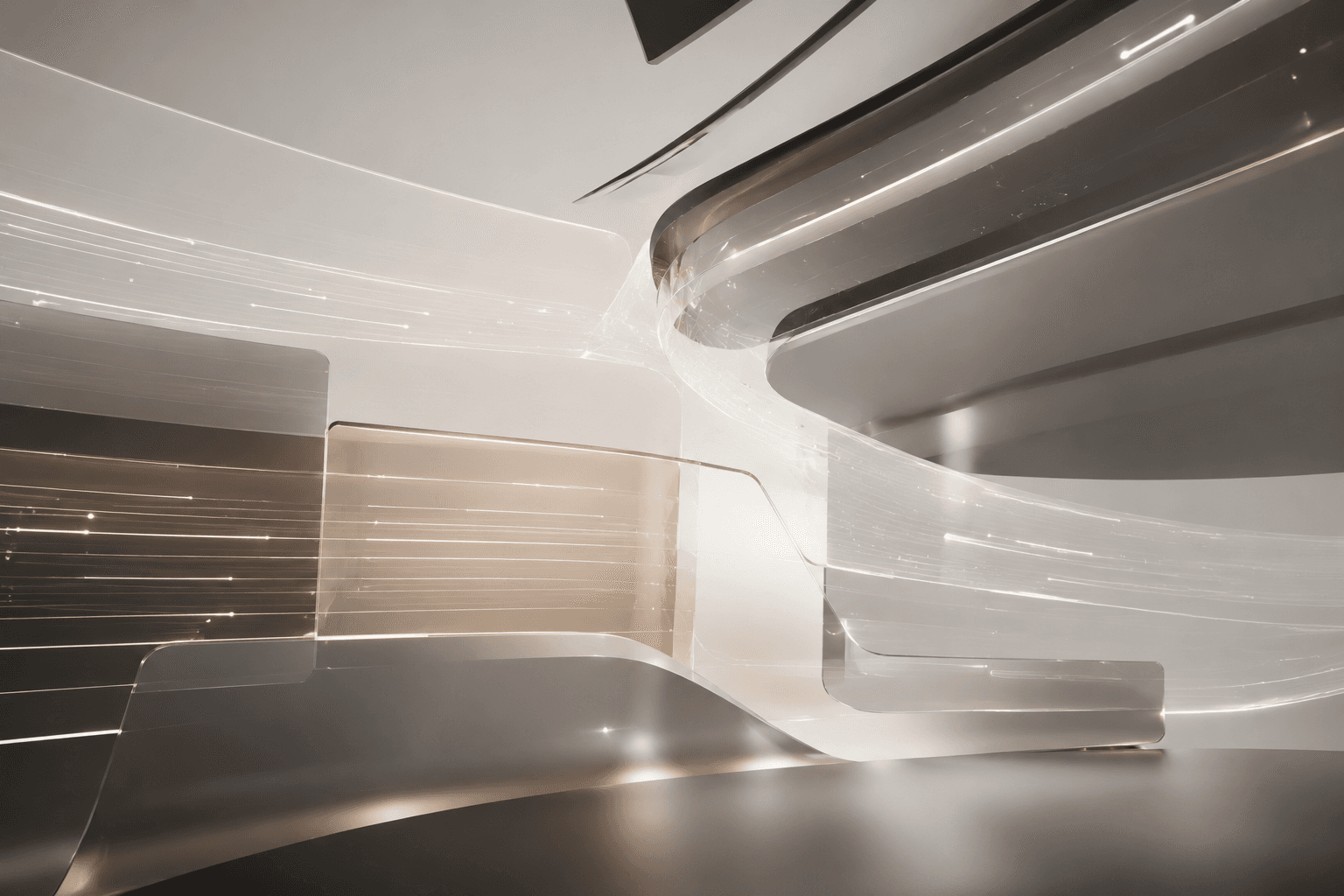
Motion in interface design is no longer optional.
In modern UX systems, movement defines how users perceive clarity, hierarchy, and emotion. The most sophisticated digital products use motion not to impress, but to communicate.
At its core, motion provides continuity.
It helps users understand relationships between elements, navigate transitions, and maintain focus. When done correctly, motion creates flow - a sense that the interface is responding naturally rather than mechanically.
Premium brands approach motion differently from traditional startups or consumer applications.
Instead of aggressive animations or exaggerated interactions, luxury motion systems emphasize restraint. Small details become meaningful: a delayed fade, a smooth directional transition, or a subtle expansion effect can completely transform perception.
Modern motion systems are heavily inspired by cinema and spatial design.
Interfaces now behave more like environments than static screens. Depth, layering, softness, and timing all contribute to immersion. This creates experiences that feel atmospheric rather than transactional.
One of the most important aspects of motion design is rhythm.
Every interface has pacing. Too fast, and the experience feels chaotic. Too slow, and it feels disconnected. Premium UX balances these moments carefully, allowing users to absorb information without friction.
Motion also strengthens brand identity.
Just as typography and color define visual language, interaction behavior defines personality. A technology company may use sharp and responsive movement, while a luxury creative studio might favor slower, more fluid transitions that feel calm and deliberate.
As digital systems become increasingly minimal, motion is emerging as a primary differentiator.
Many interfaces now share similar structures and layouts, making interaction quality one of the few remaining ways to create emotional distinction.
The future of UX motion lies in subtle intelligence.
Interfaces will become more adaptive, contextual, and environmental. Rather than reacting only to clicks or hover states, systems will begin responding to attention, velocity, scroll behavior, and intent.
Ultimately, motion design is about making interfaces feel human.
It transforms static layouts into experiences with rhythm, personality, and emotional depth. In premium digital environments, movement is no longer decoration - it is architecture.

Contact
Subscribe to our newsletter